Trailer Product Families
Explore CHENLU Semi-Trailer
 01 / 05
Selected Models
Semi-Trailers for Different Transport Needs
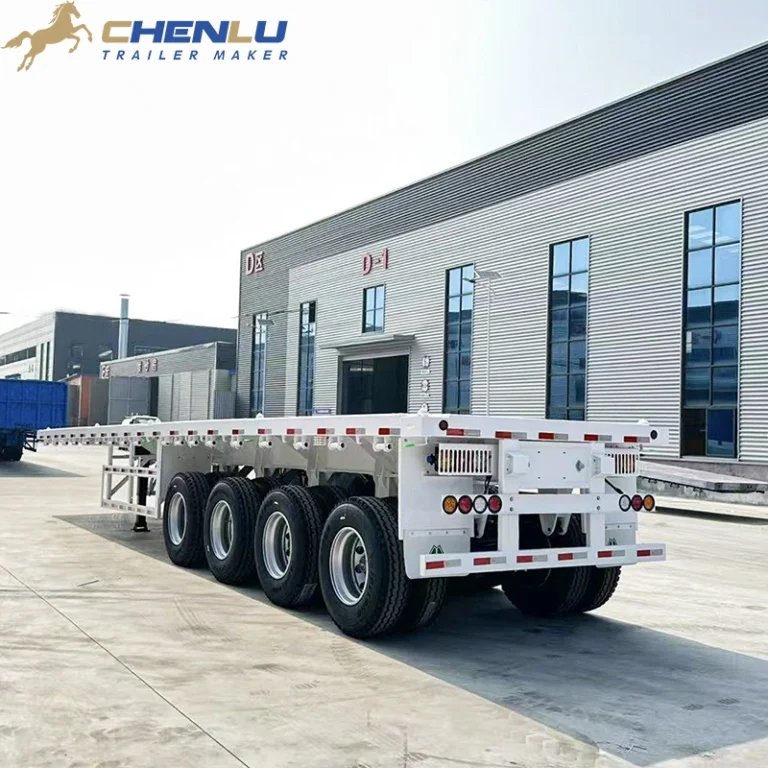
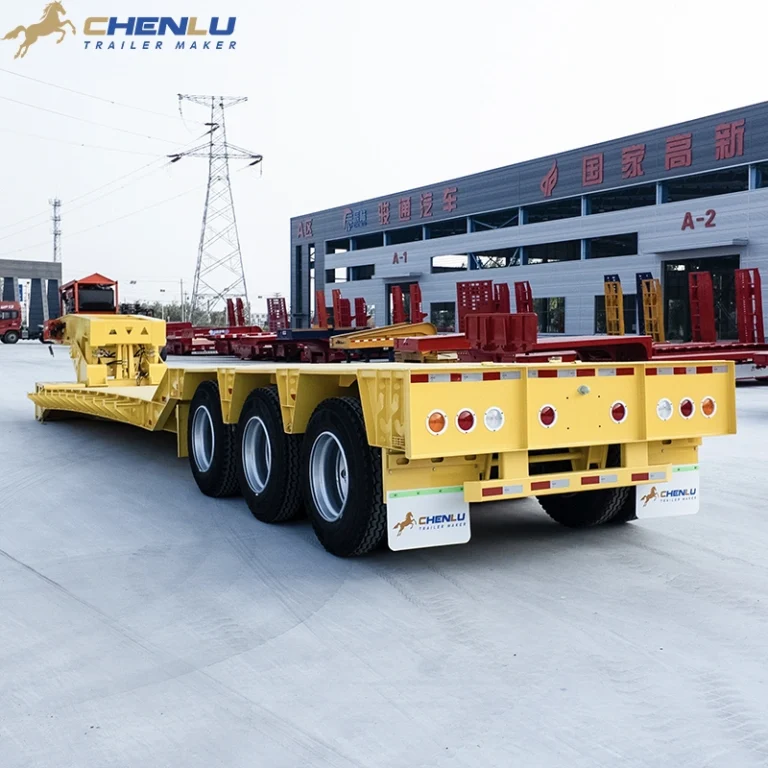
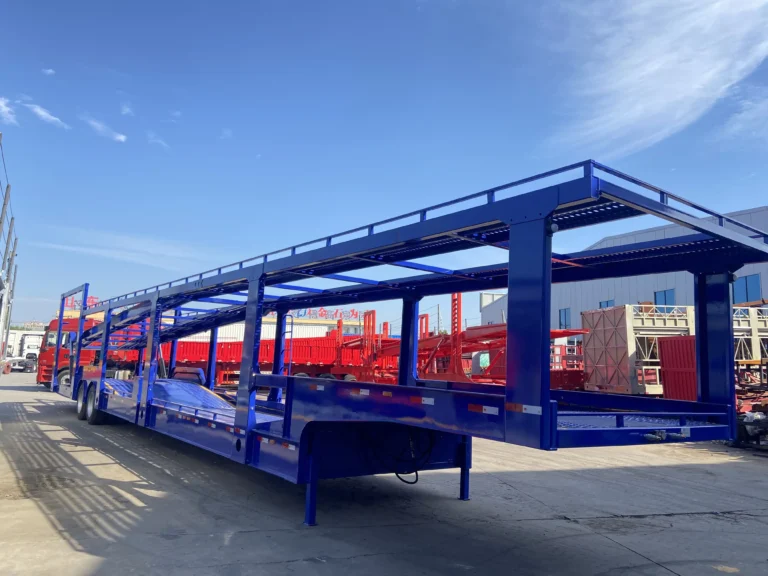
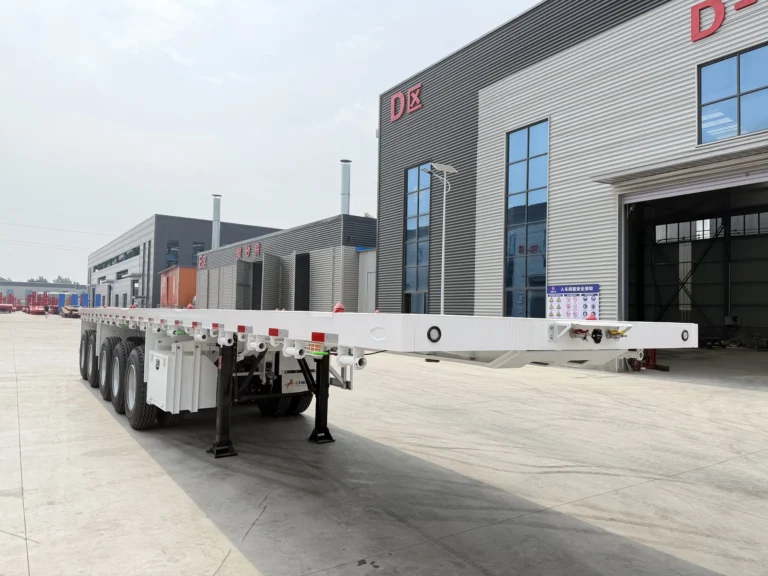
Explore three configurations for loose bulk cargo, construction machinery and open-deck loads. Match the trailer to your cargo, loading method and route.
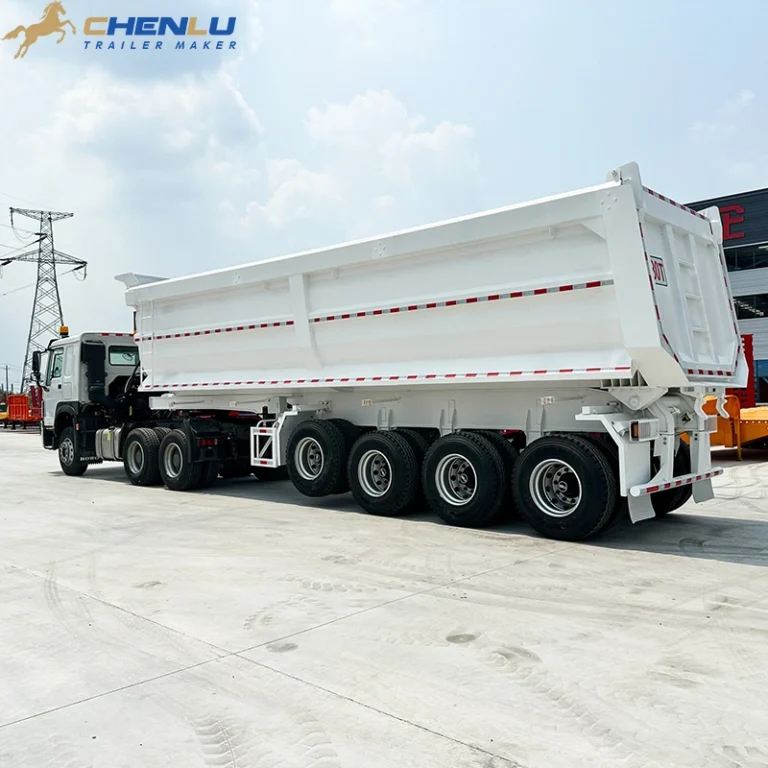
4-Axle Rear Dump Semi-Trailer
Rear tipping for loose bulk materials. Review cargo density, body volume and unloading conditions when selecting the body and tipping system.
View Dump Trailer ↗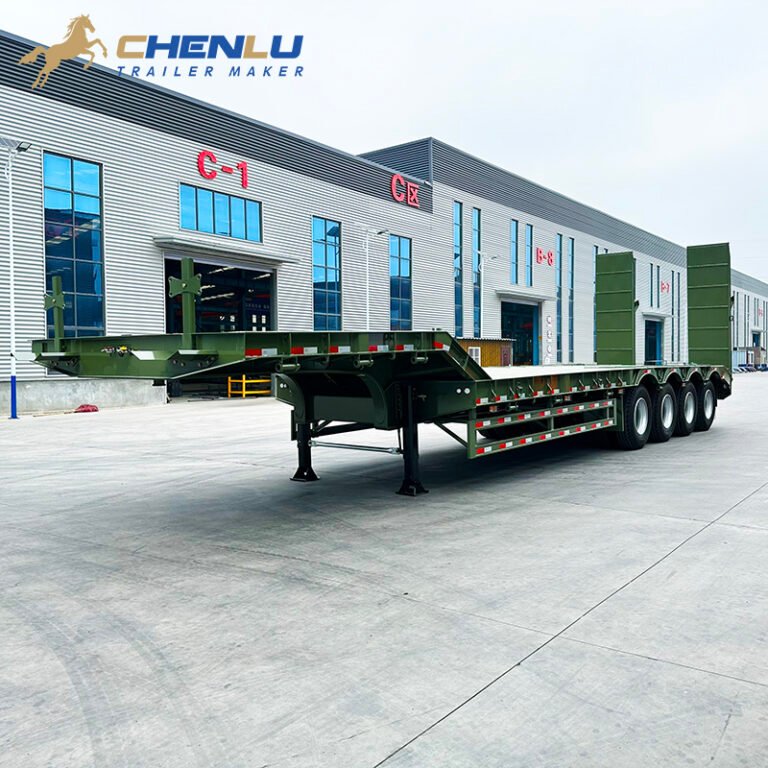
SHIPMENT RECORDS
Latest Shipments
UAE Customer Orders a 4-Axle Lowbed Trailer | CHENLU
A UAE customer orders a blue CHENLU 4-axle lowbed trailer with a fixed gooseneck, four rear axles and two spring-assisted loading ramps.
View Shipment ↗
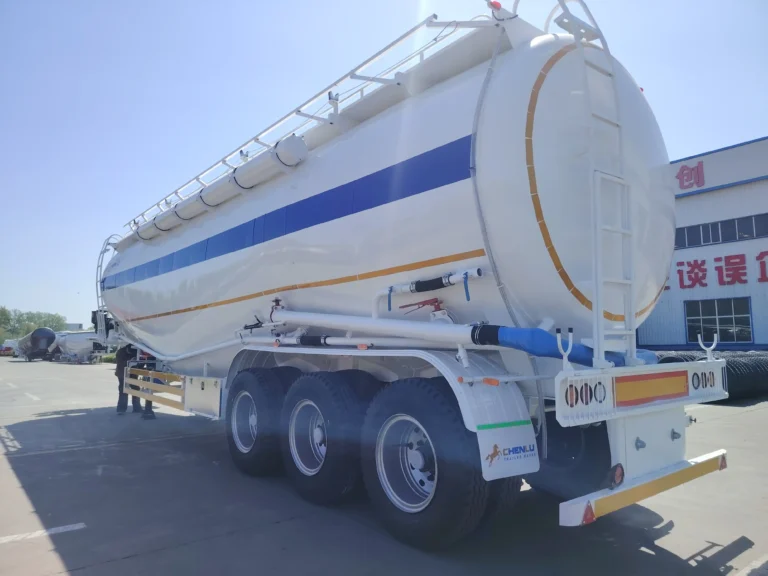
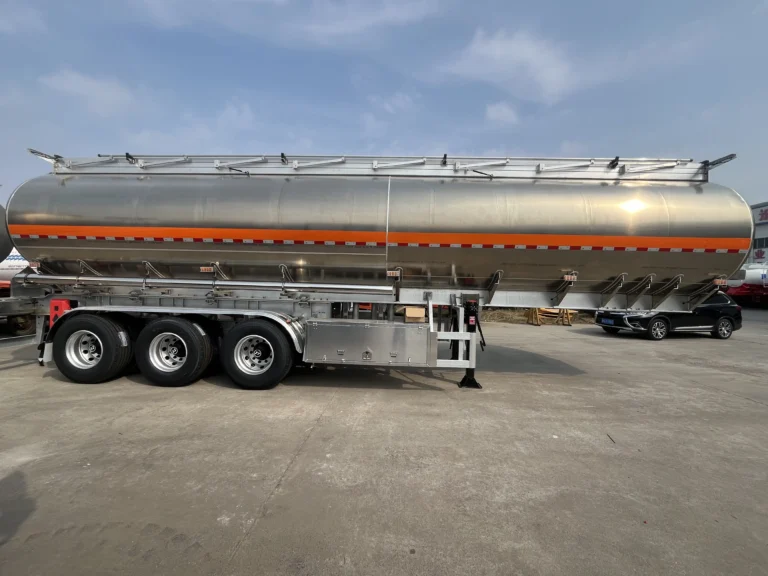
3-axle fuel tanker trailer for Uganda | Chen l U
A white CHENLU 3-axle fuel tanker trailer is being prepared for Uganda. See the completed tanker, side equipment, running gear and rear layout.
View Shipment ↗
4 Three-Axle Flatbed Semi-Trailers for Oman | CHENLU
CHENLU prepares four green three-axle flatbed semi-trailers for Oman, with open decks and paired transport stacking shown in factory photos.
View Shipment ↗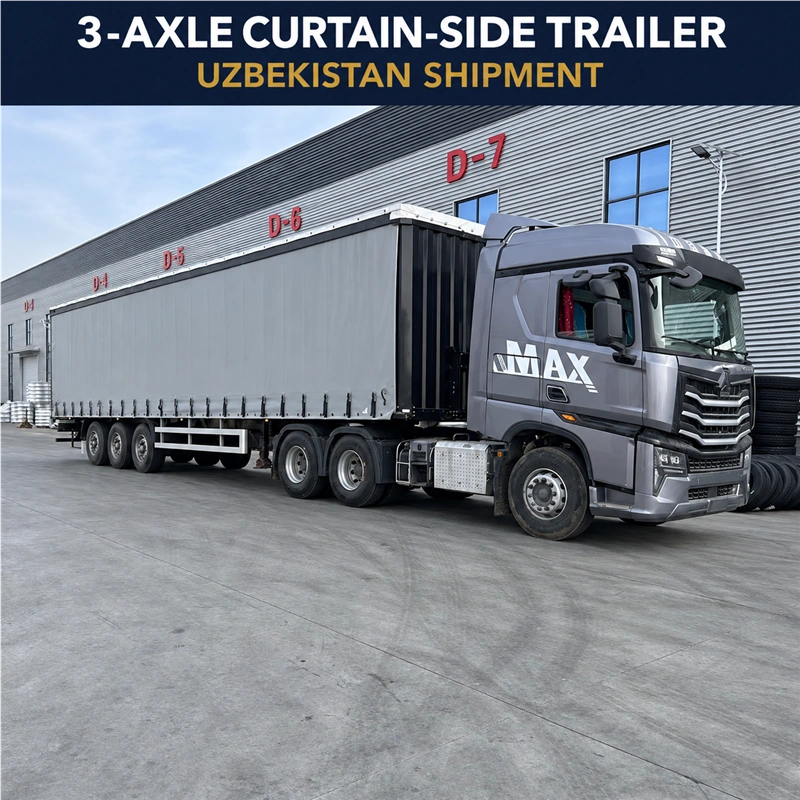
3-Axle Curtain Side Trailer for Uzbekistan | CHENLU
CHENLU prepares a three-axle curtain side trailer for shipment to Uzbekistan, with a full-length side curtain, lower buckles and rear double doors.
View Shipment ↗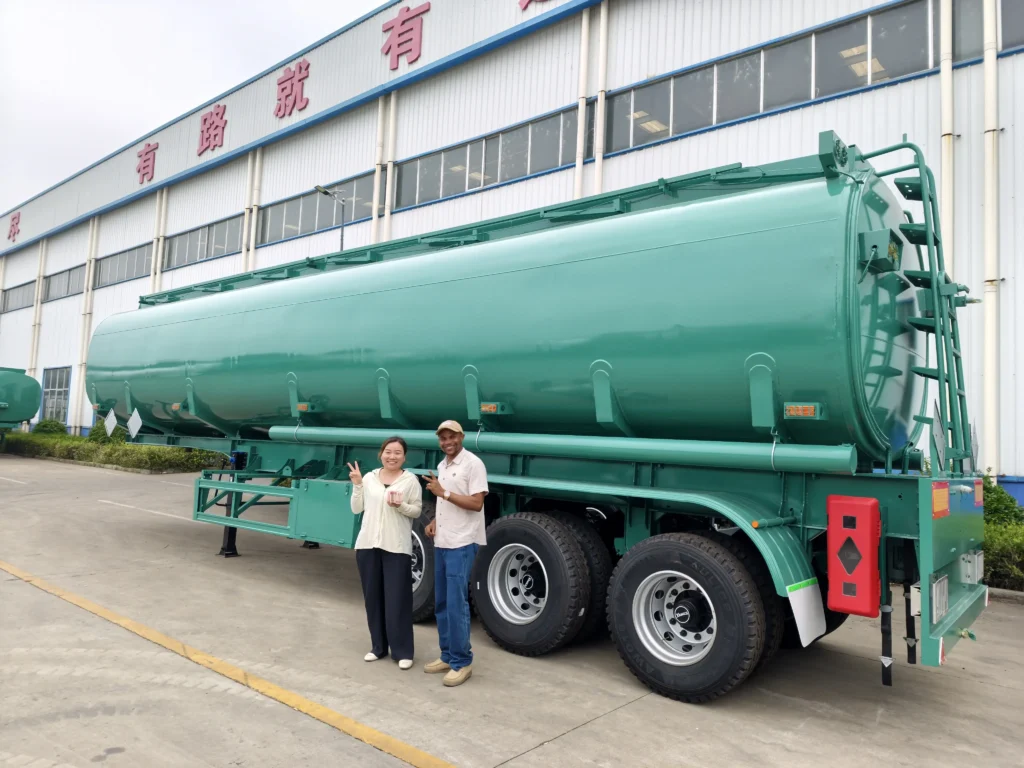
50 CBM 3-Axle Fuel Tanker Trailer Prepared for Shipment to Mali
CHENLU prepares a 50 CBM three-axle fuel tanker semi-trailer for shipment to Mali, with five side connections, a rear ladder and a top walkway.
View Shipment ↗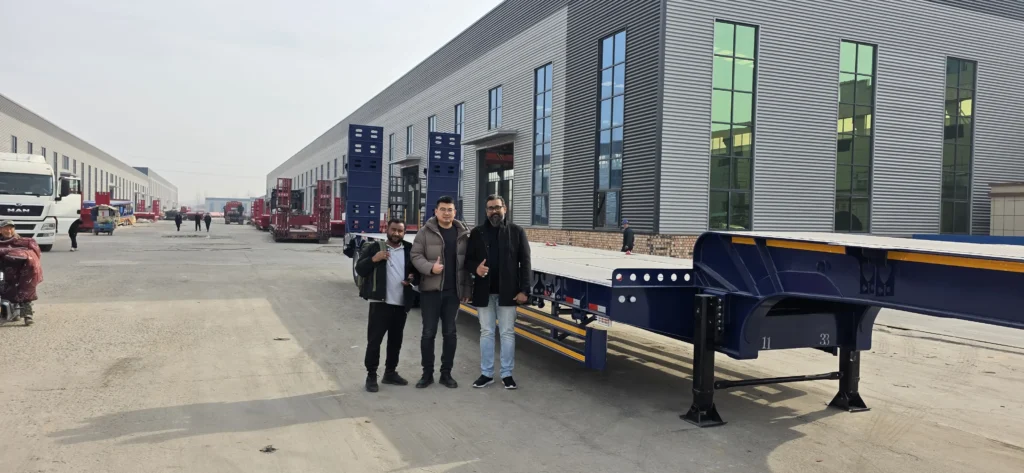
11-Axle Detachable Gooseneck Trailer for Shipment to Tanzania
CHENLU is preparing an 11-axle detachable gooseneck trailer for Tanzania. See seven factory photos of its gooseneck, axle layout and hydraulic details. Primary Keyword:
View Shipment ↗CHENLU SEMI-TRAILER FACTORY
How Does CHENLU Manufacture Semi-Trailers?
See the facilities and team behind CHENLU semi-trailers, from fabrication and assembly to inspection. Watch our factory video for a closer look at the workshop, or learn more about CHENLU.
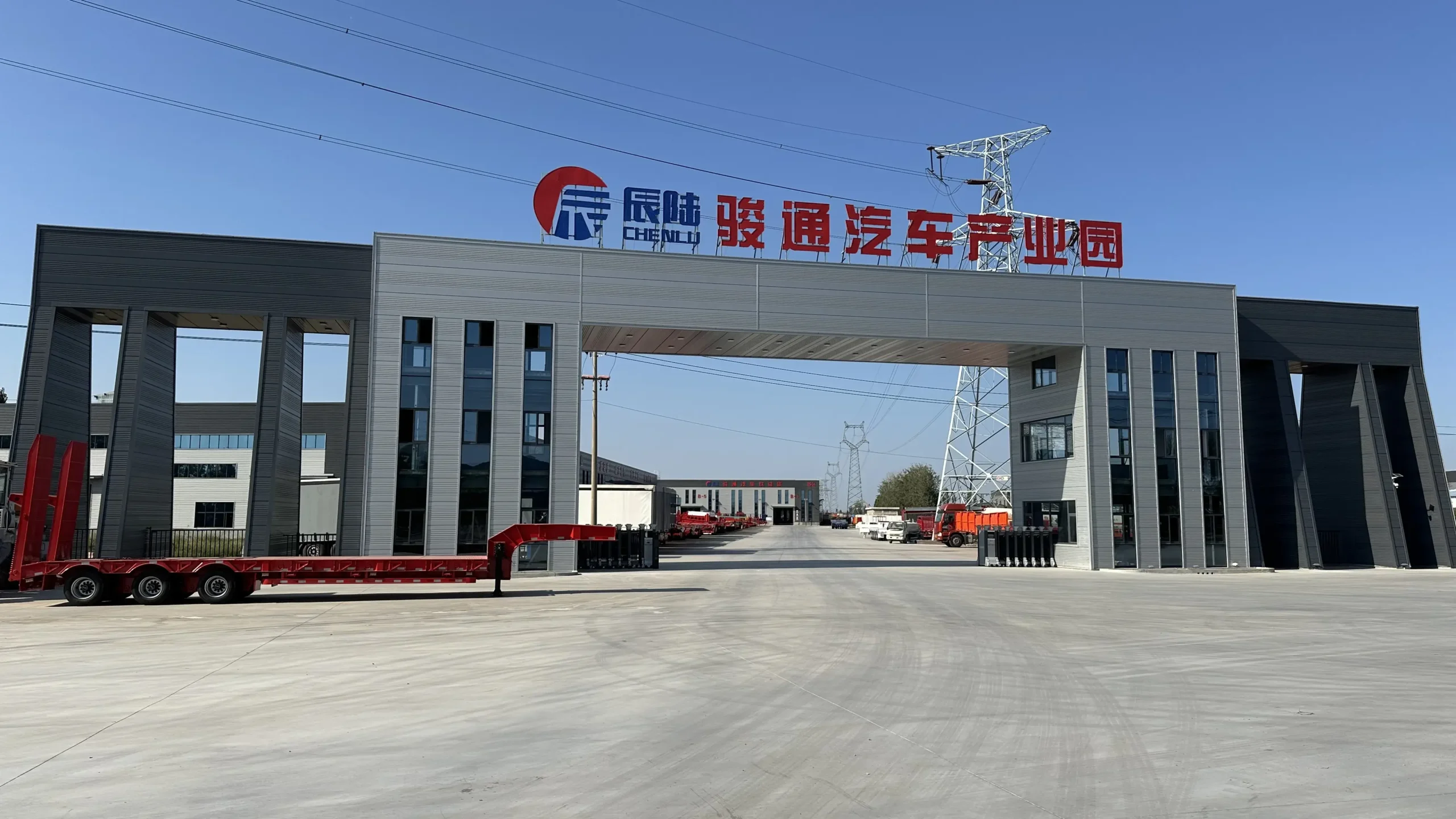
60,000 m²
Space for semi-trailer fabrication, assembly and inspection.
5,000+
Annual manufacturing capacity across CHENLU’s semi-trailer range.
200+
Patents related to trailer structures and product development.
300+
Workers and engineers supporting production, technical review and quality control.
SEMI-TRAILER MANUFACTURING
How a CHENLU Semi-Trailer Takes Shape
Production starts with the confirmed order drawing. The workshop forms the required steel parts, welds the frame on a fixture and grinds the platform before surface treatment and component installation.
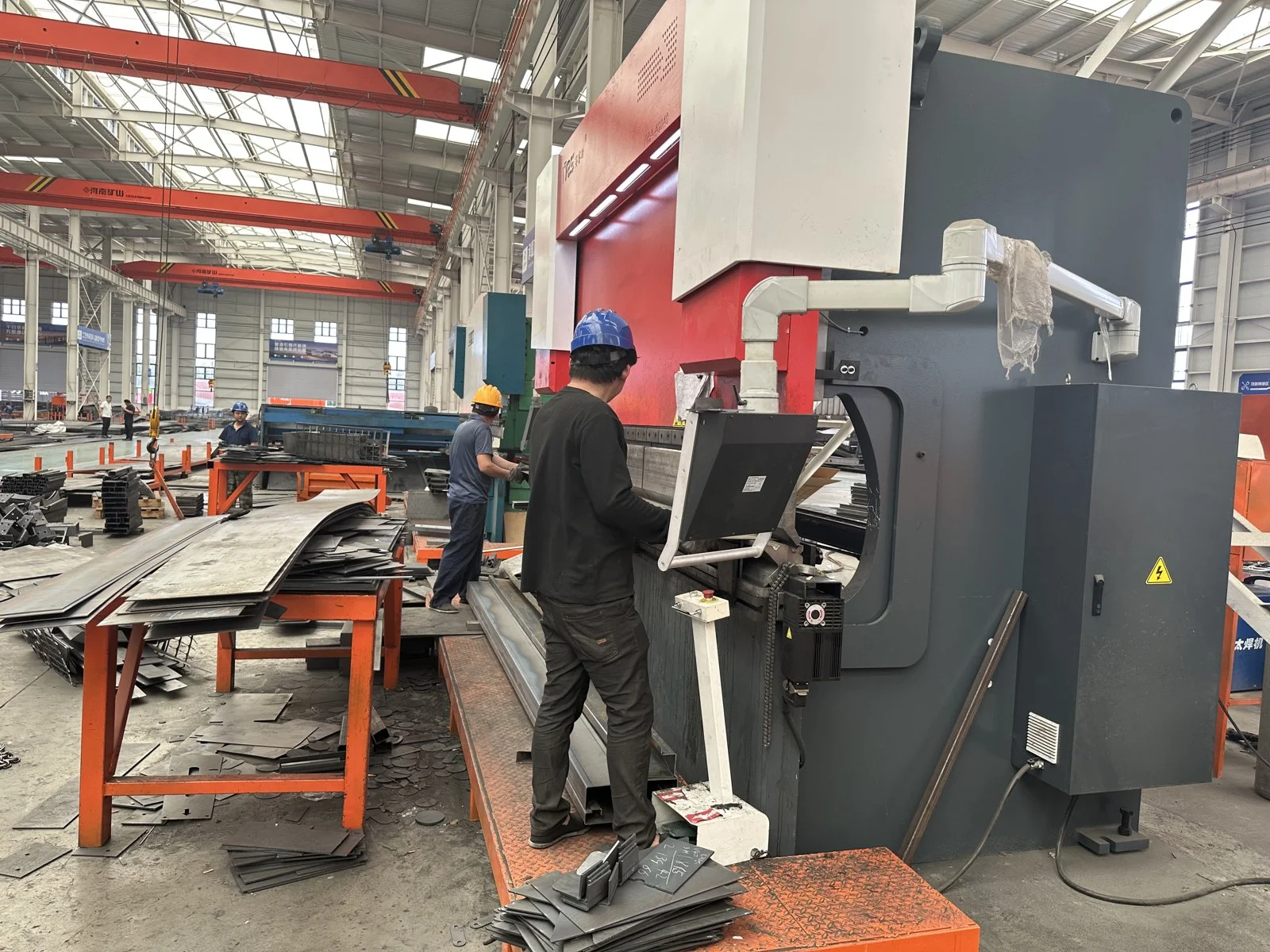
Forming the Parts Before Frame Assembly
The press brake bends prepared steel plate into the profiles required for the build. These may include brackets, channels and support sections that will later be fitted into the trailer structure.
For each order: bend direction, angle and dimensions come from the confirmed production drawing. The formed parts are prepared for fit-up instead of being treated as one standard set for every trailer.
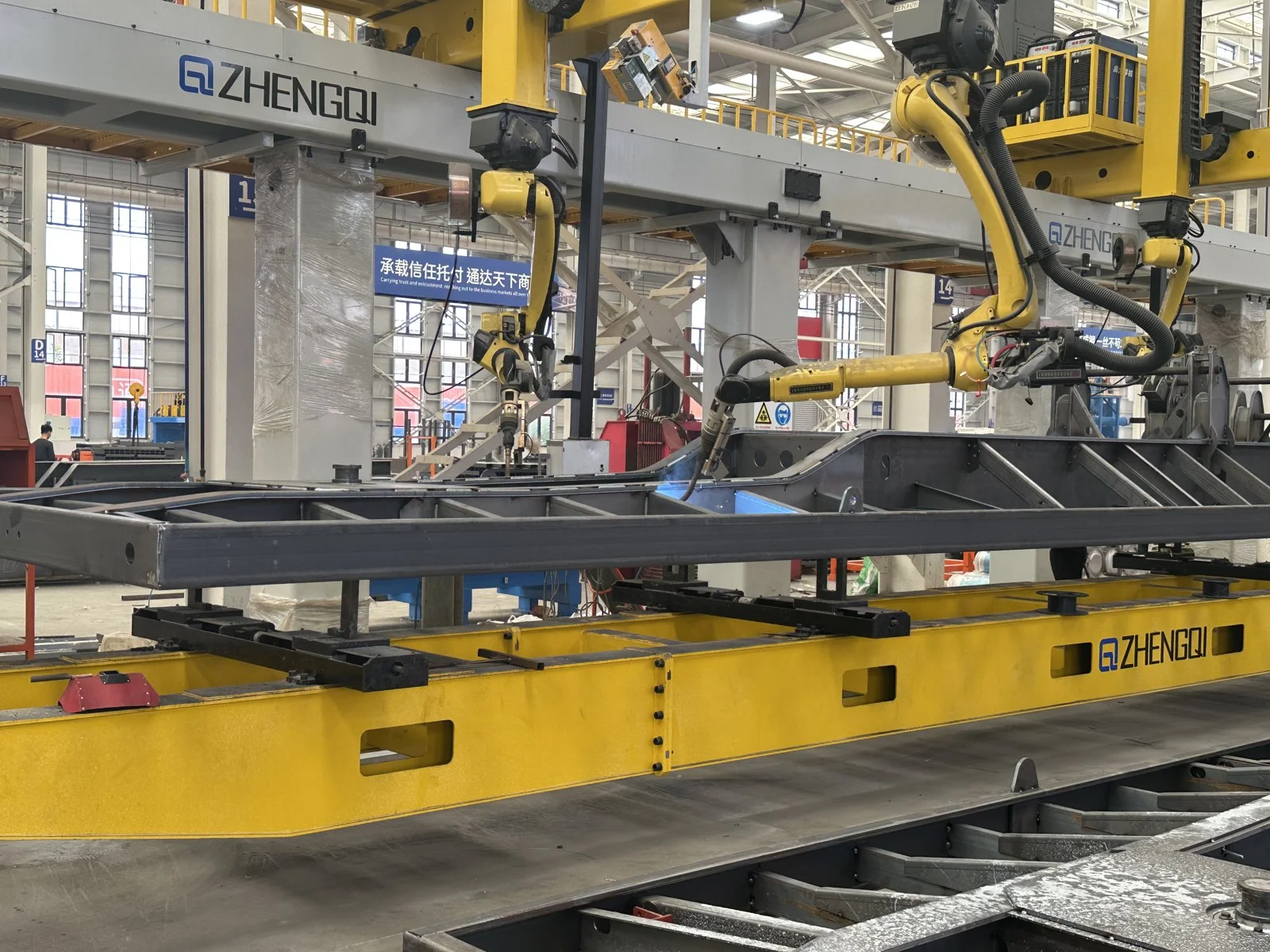
Robotic Welding on the Main Trailer Frame
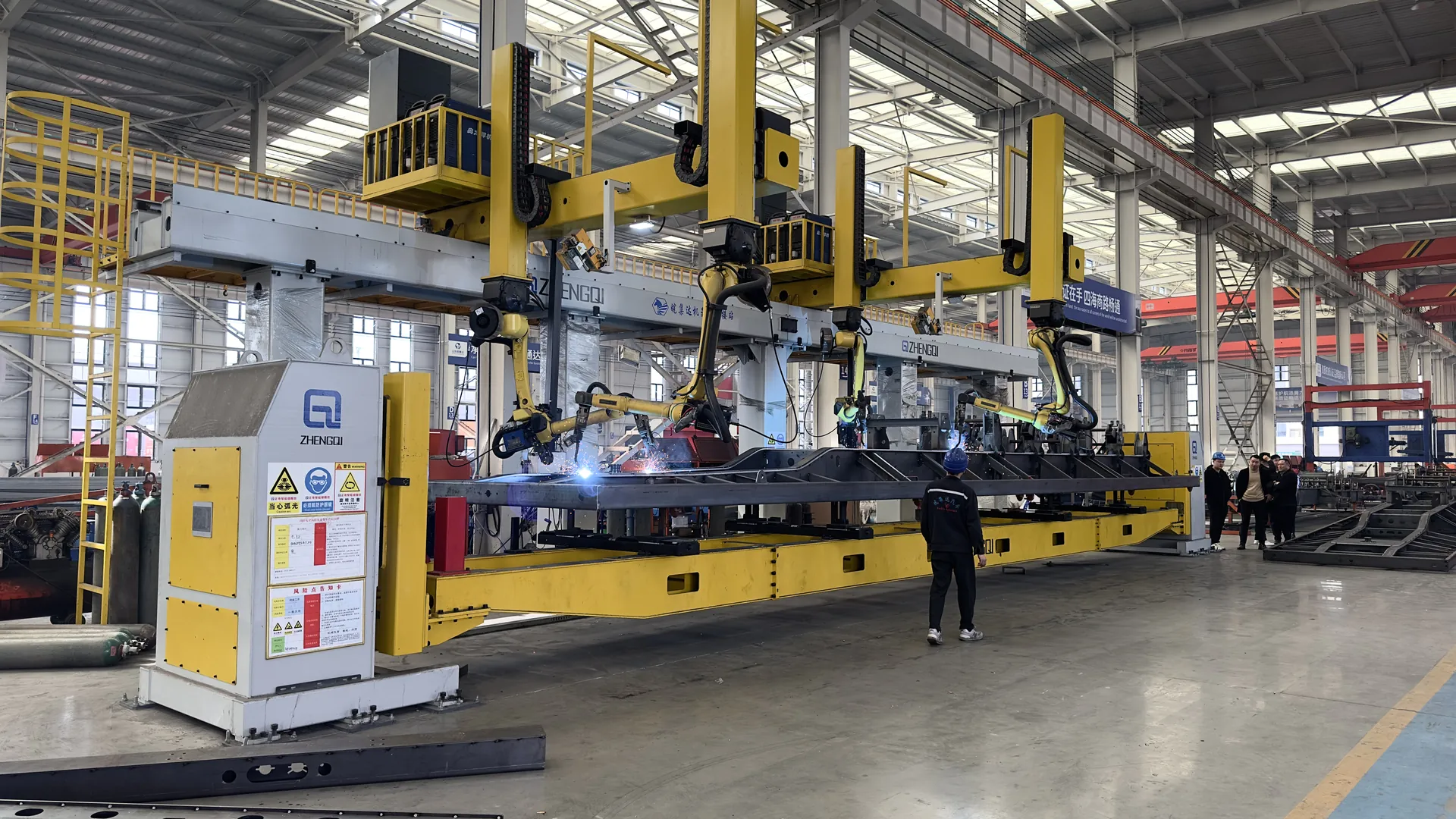
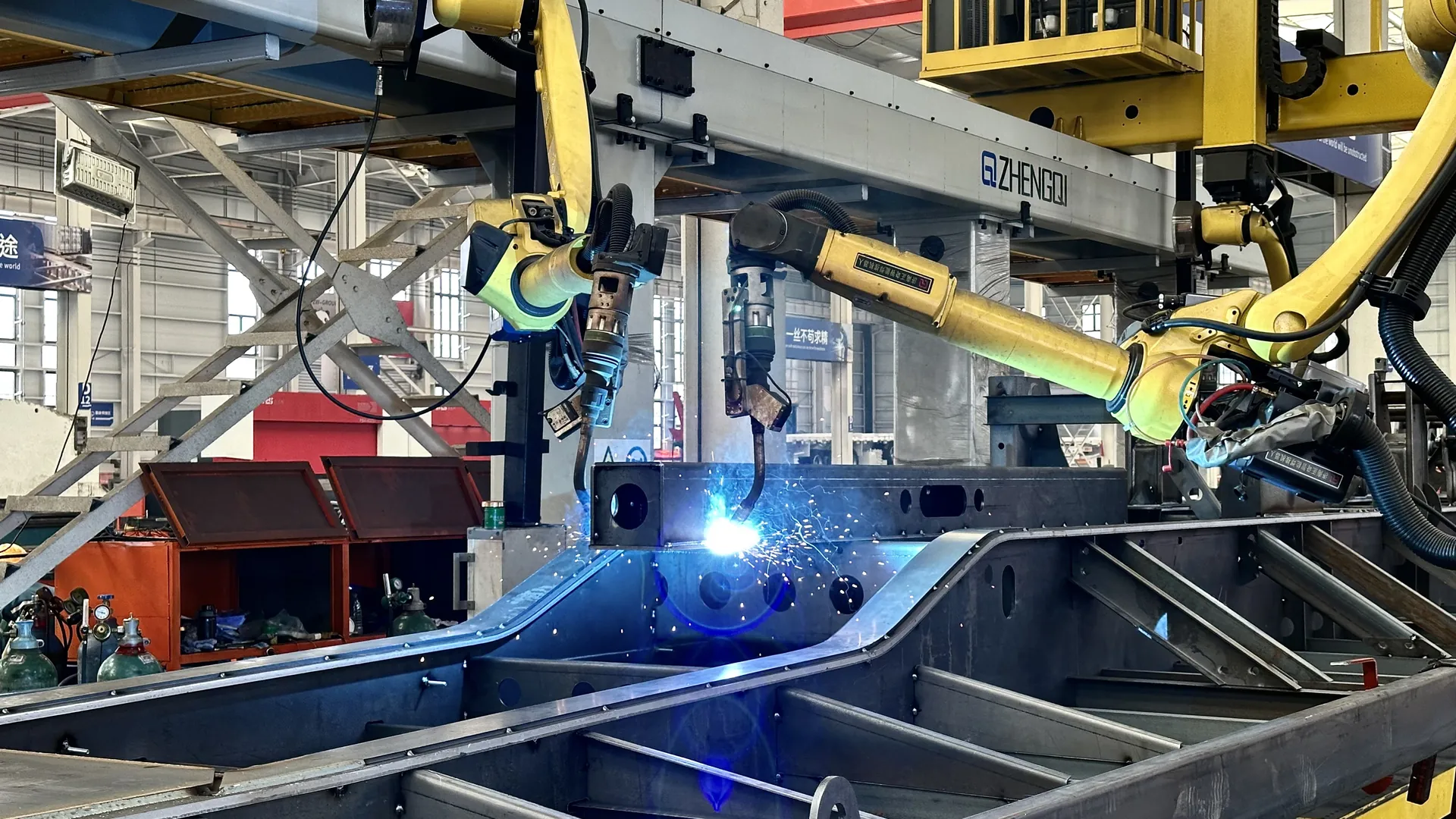
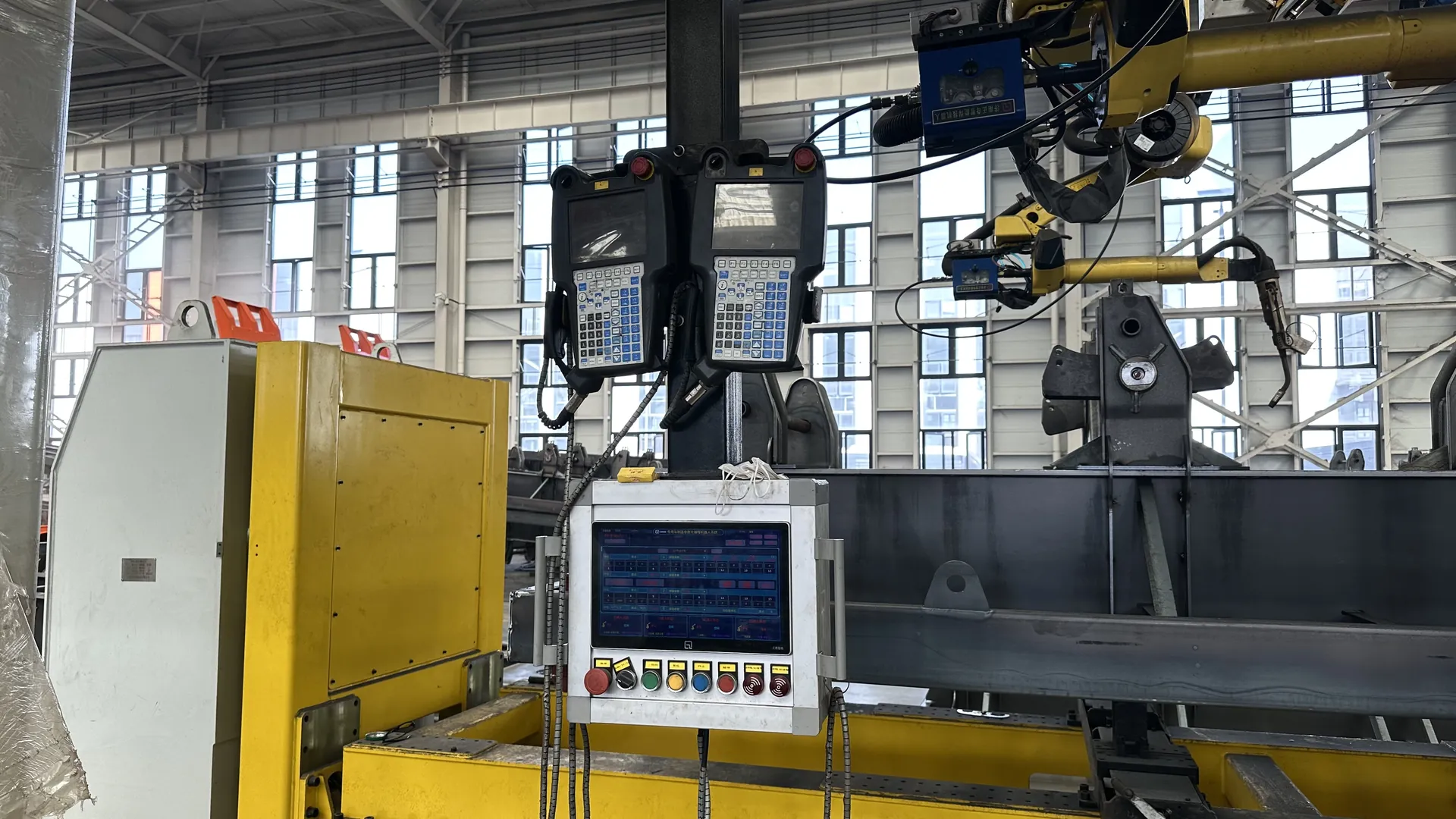
Frame members are positioned on a production fixture before the robot starts. The equipment follows programmed paths on repeated joints while an operator handles setup and monitors the welding process.
Not every joint is the same: areas outside the robot’s reach and order-specific connections still require manual work. The welding sequence follows the frame layout for the trailer being built.
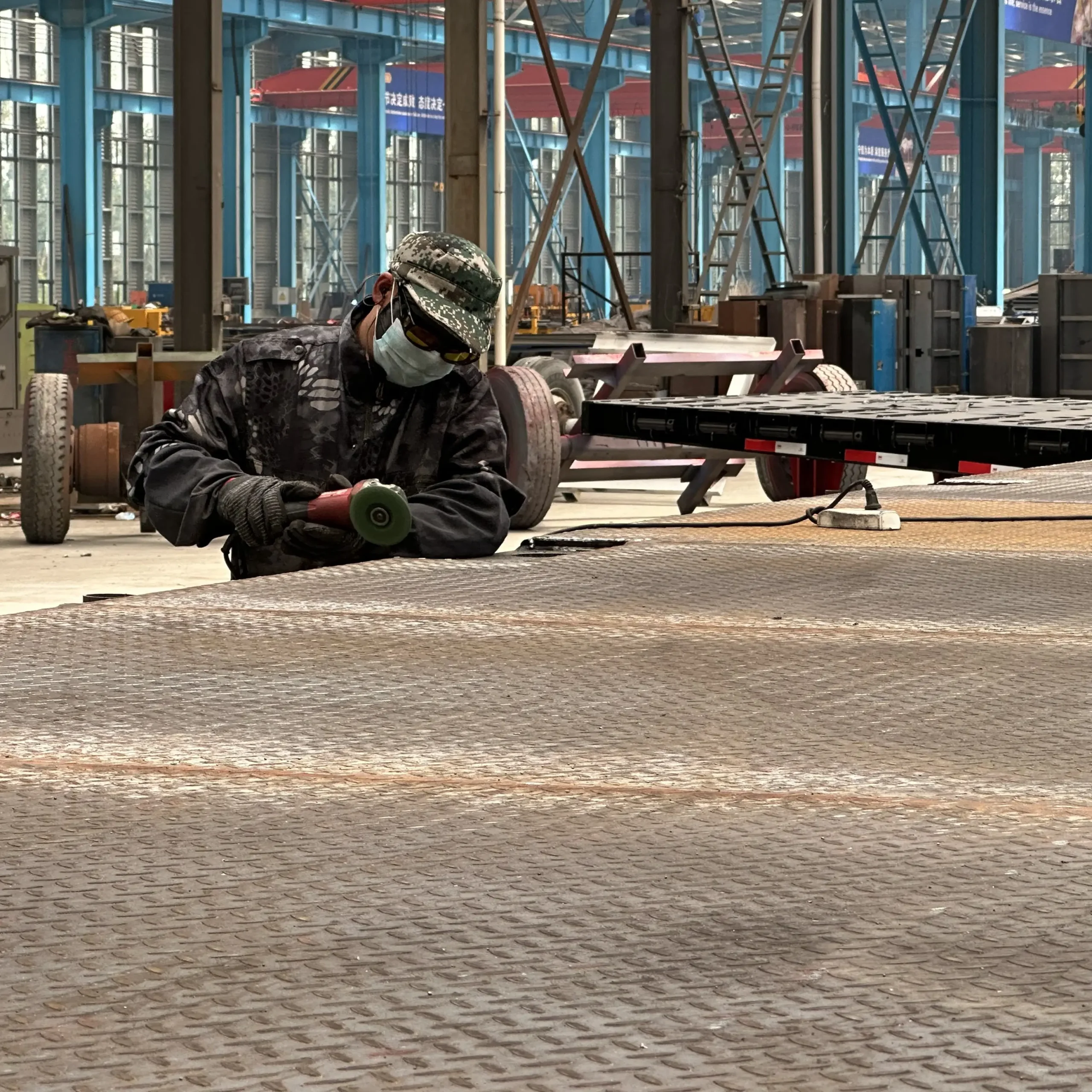
Finishing the Trailer Platform by Hand
After the platform has been fabricated, a worker uses a grinder on the deck surface and welded areas. The work removes weld spatter, sharp edges and local high spots left during fabrication.
Before the next stage: the surface is cleaned up so the platform can move to later surface preparation, coating or assembly work, depending on the trailer configuration.
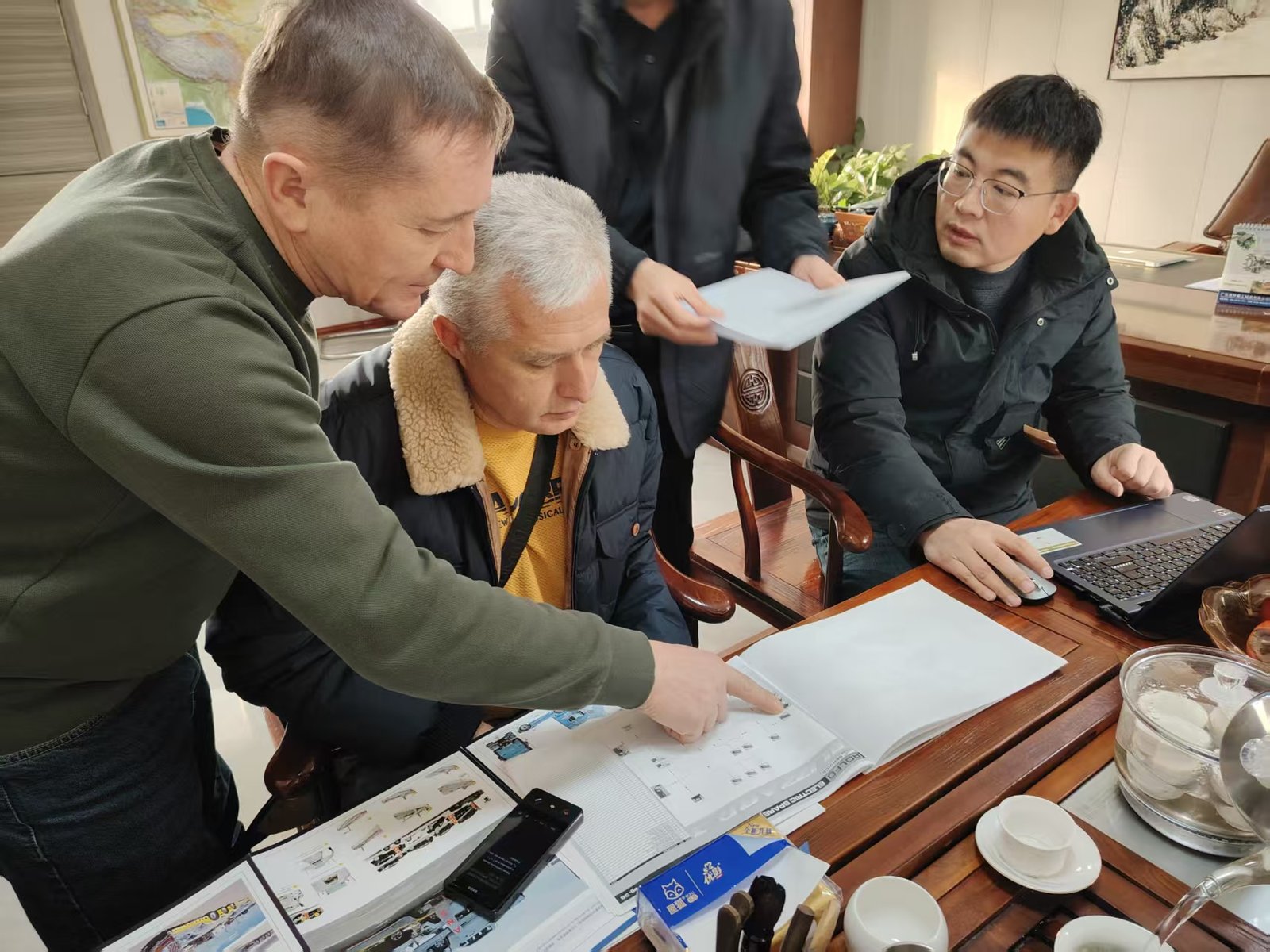
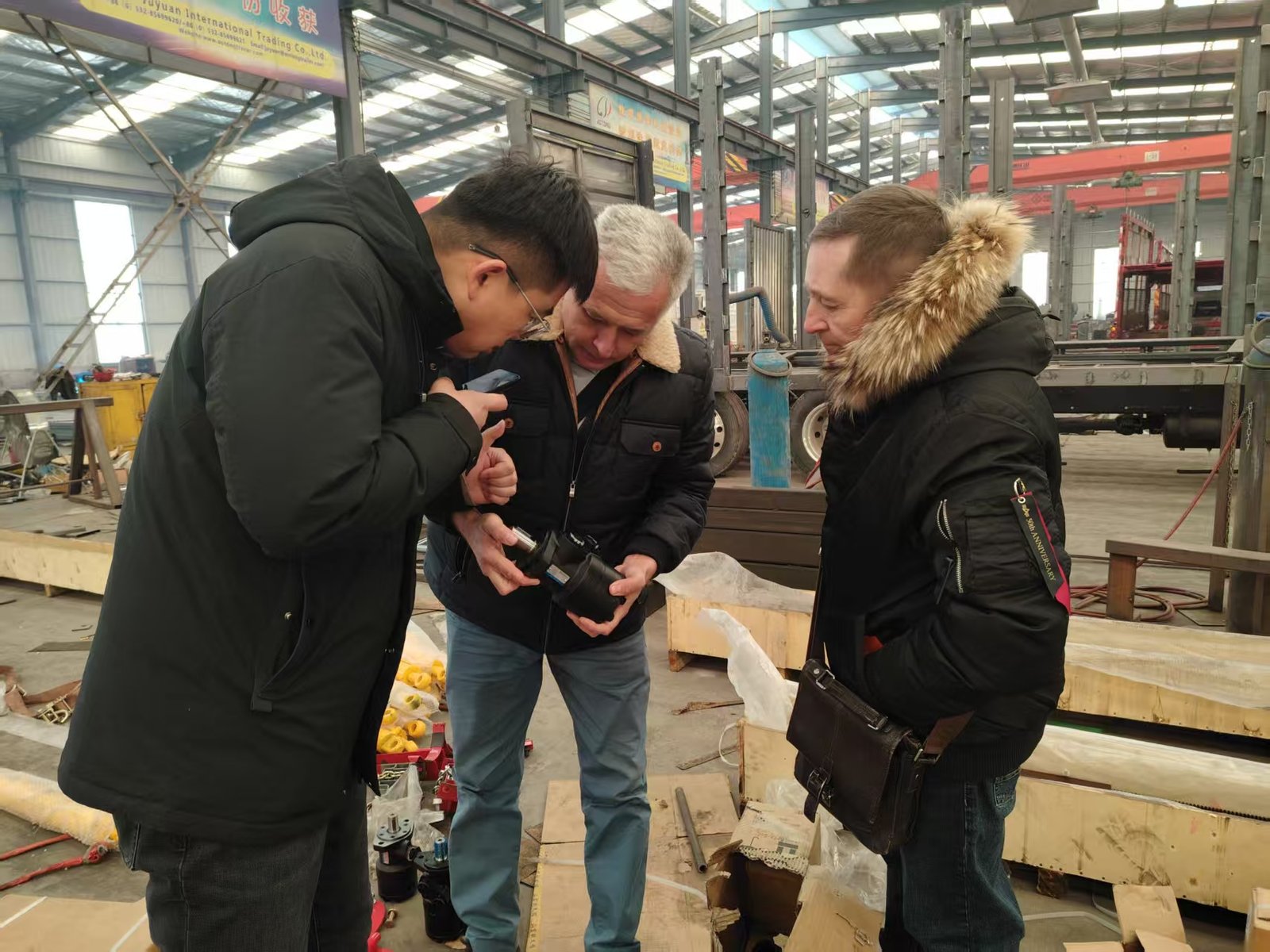
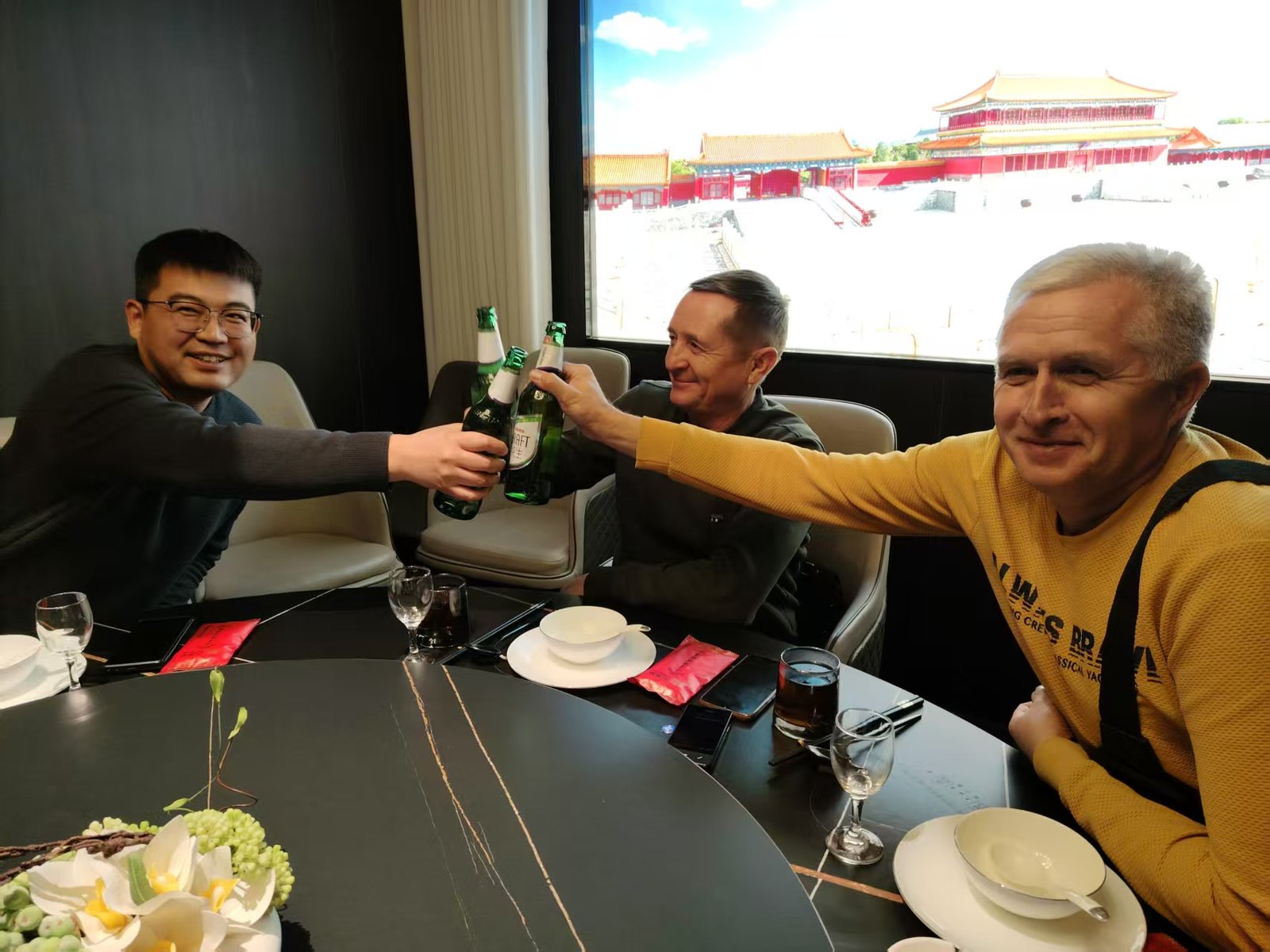
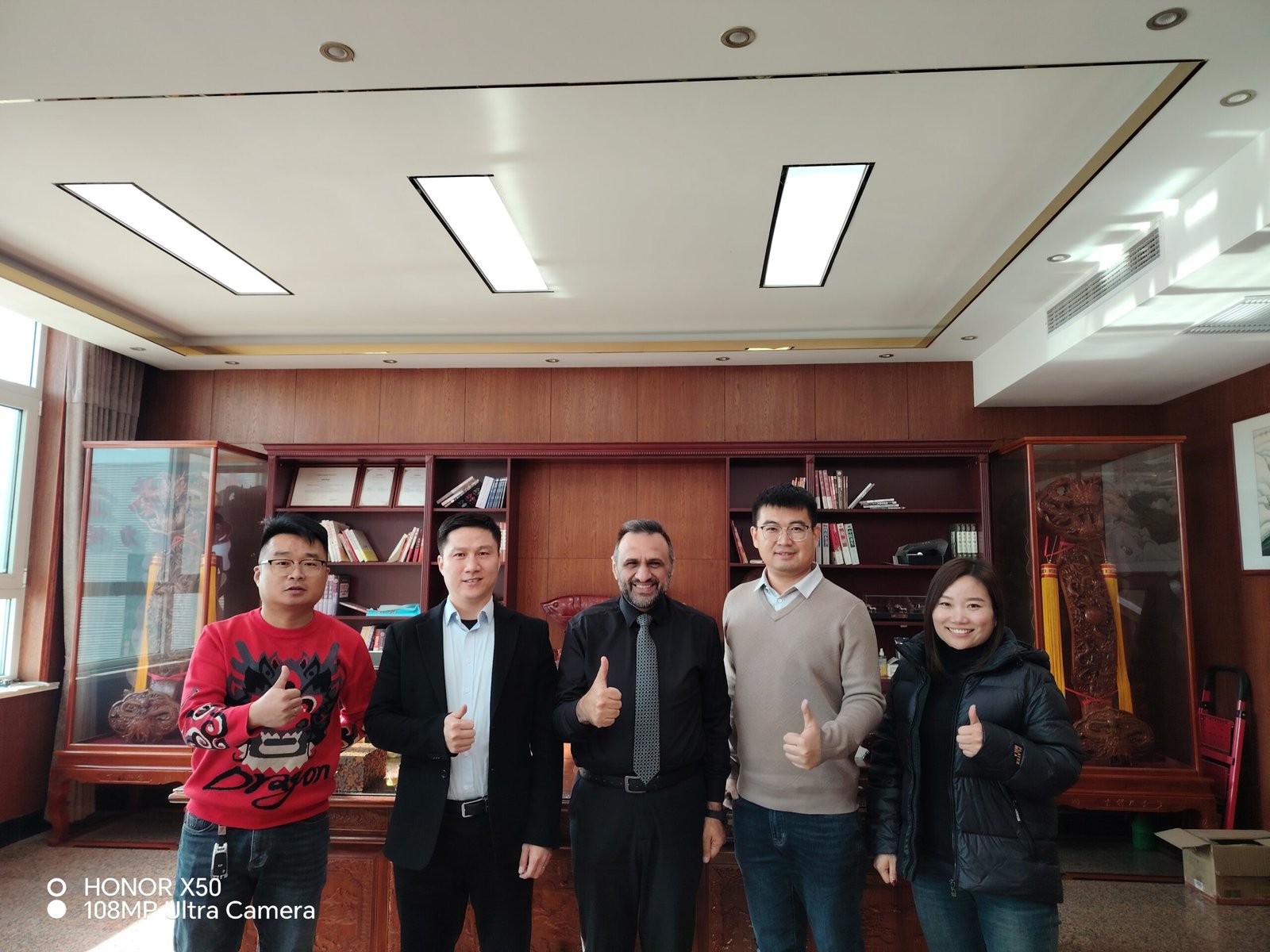
CUSTOMER VISITS
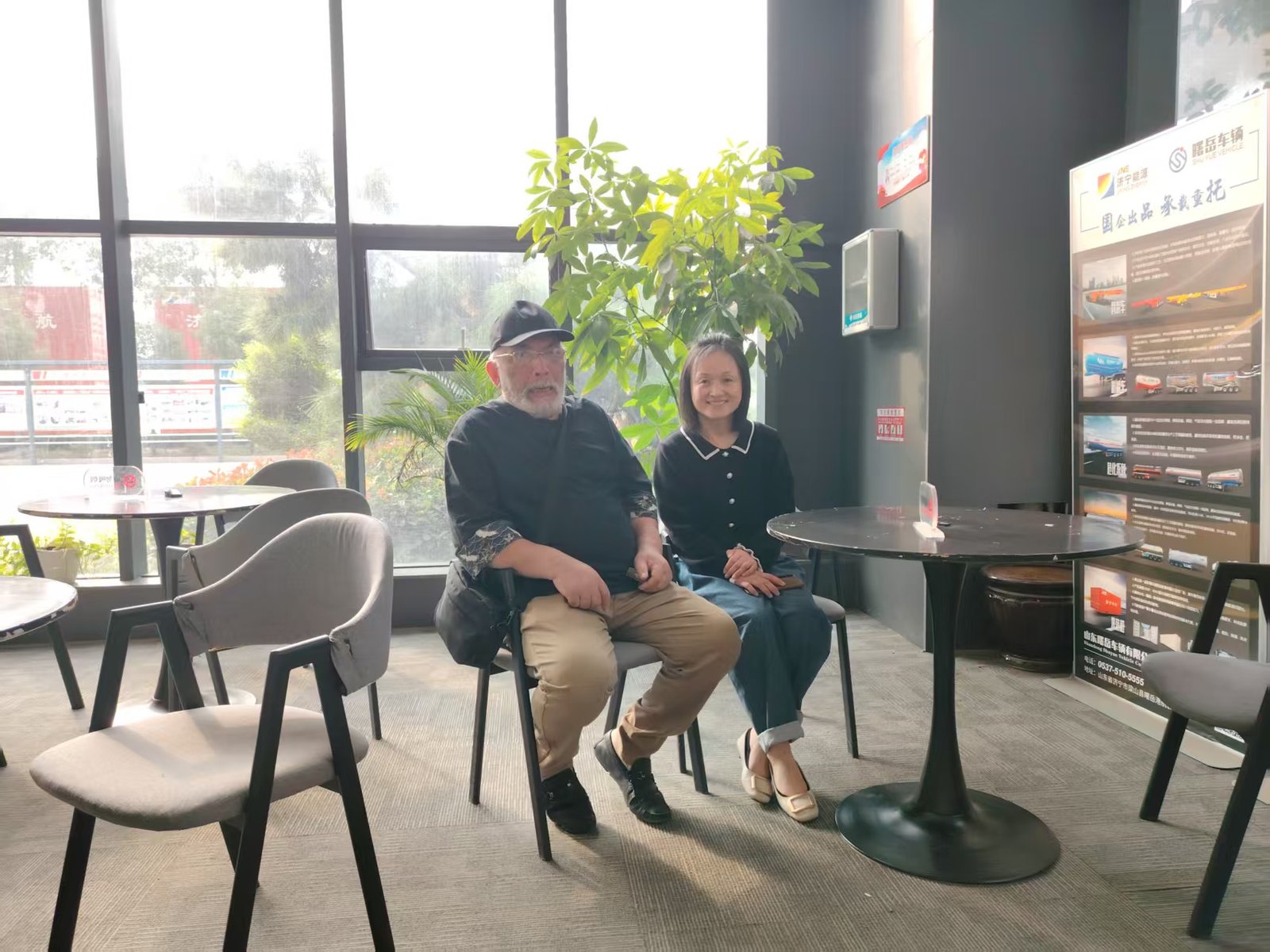
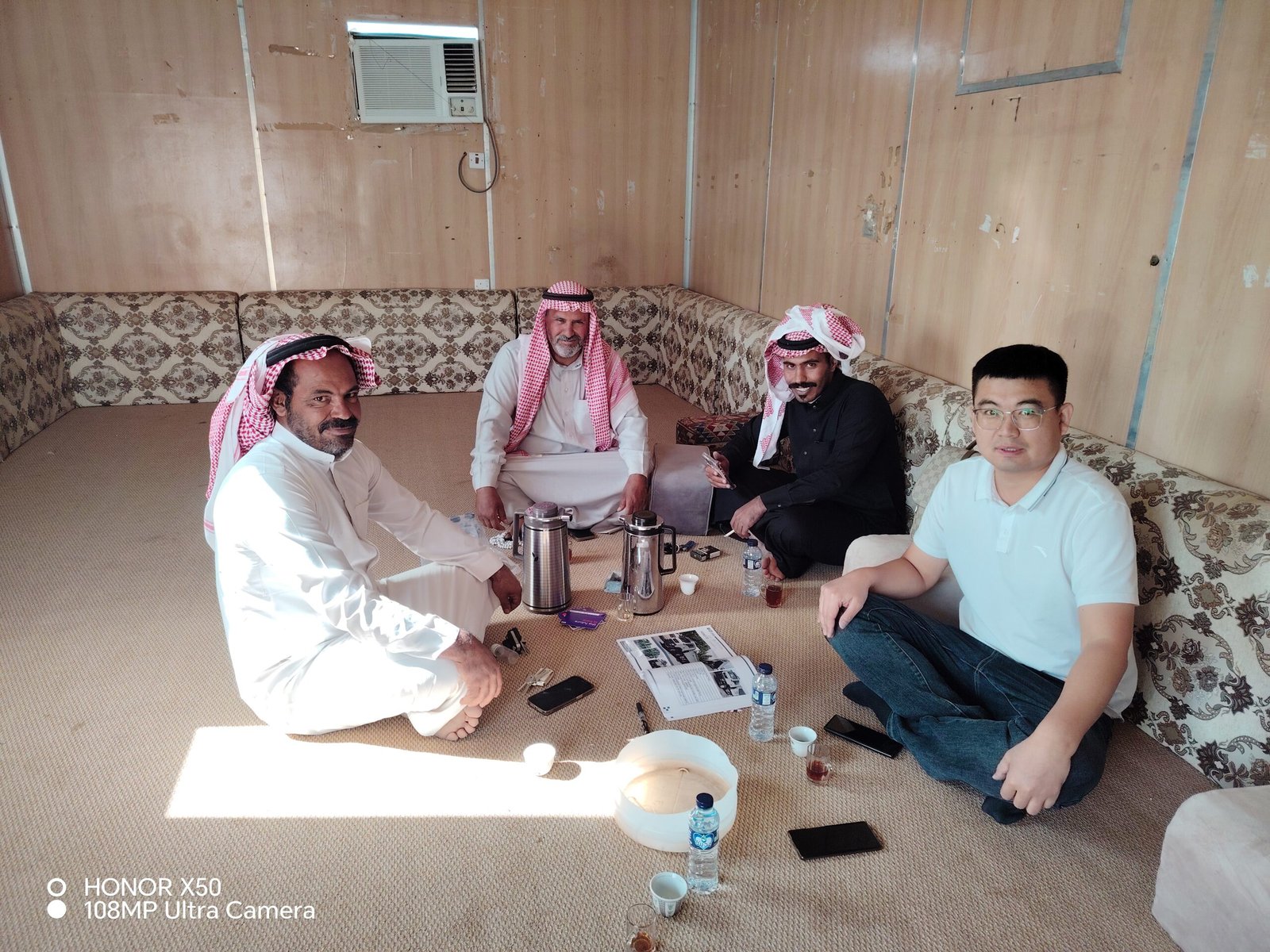
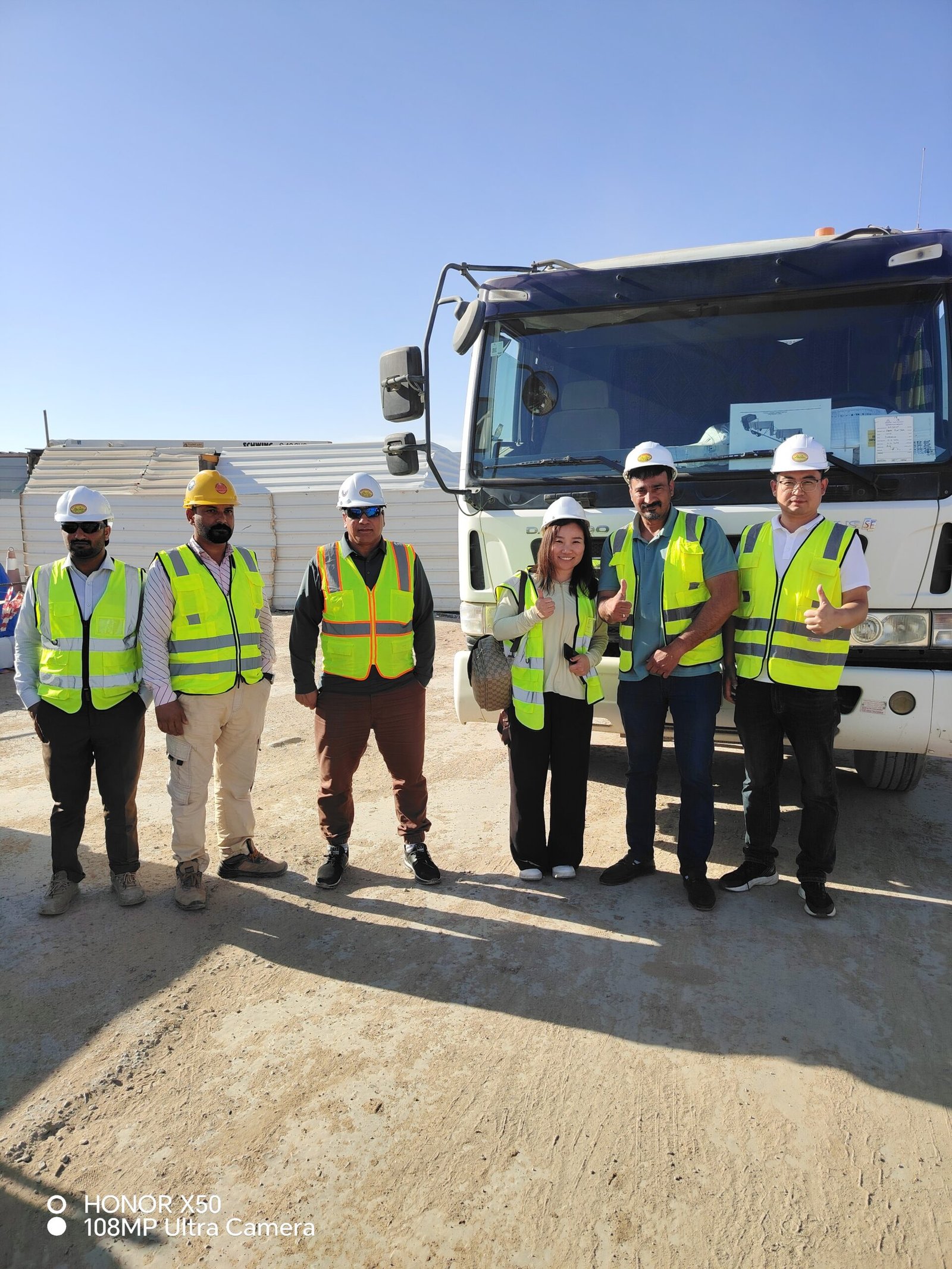
Customer Visits and Factory Reviews at CHENLU
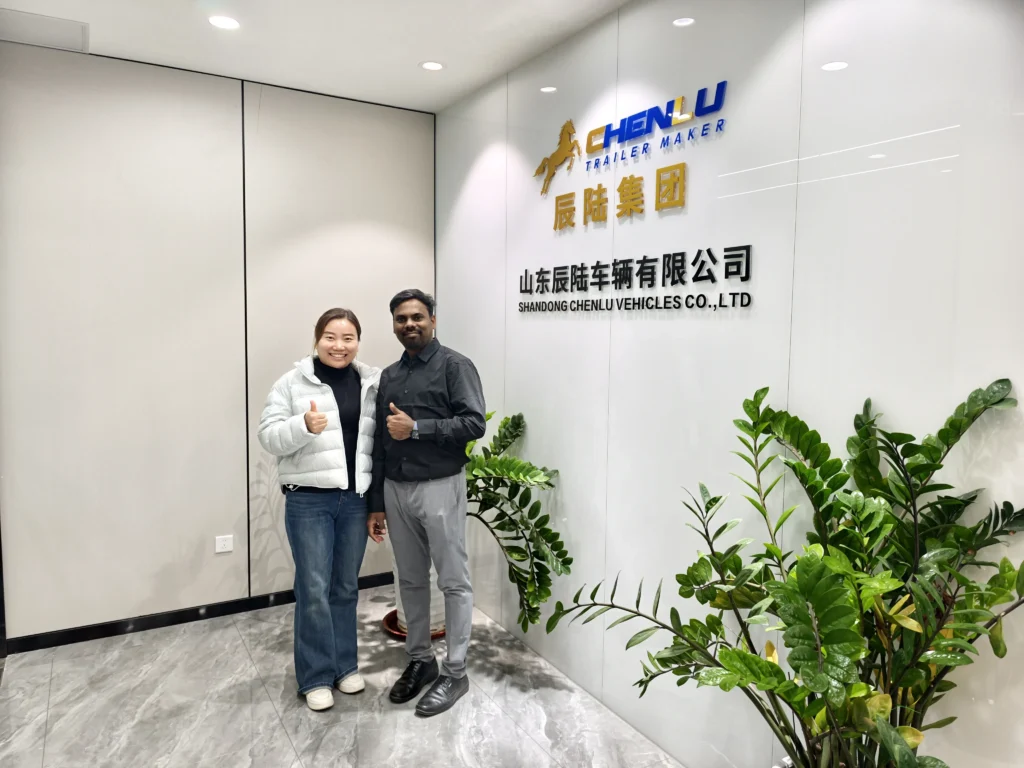
A selection of customer visits, trailer discussions and factory reviews with the CHENLU team.

CHENLU SEMI-TRAILER MANUFACTURER
Inside the CHENLU Semi-Trailer Factory
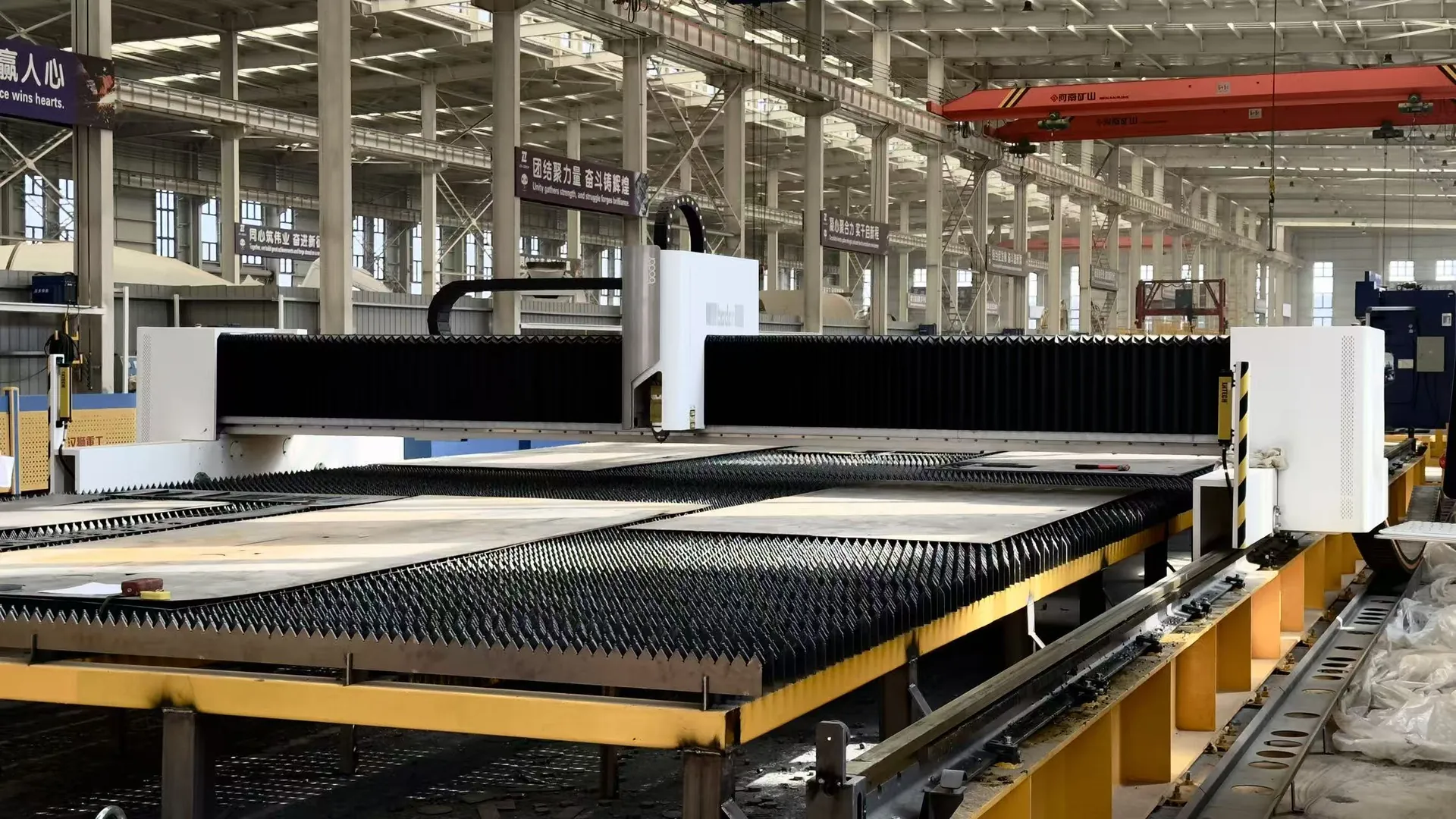
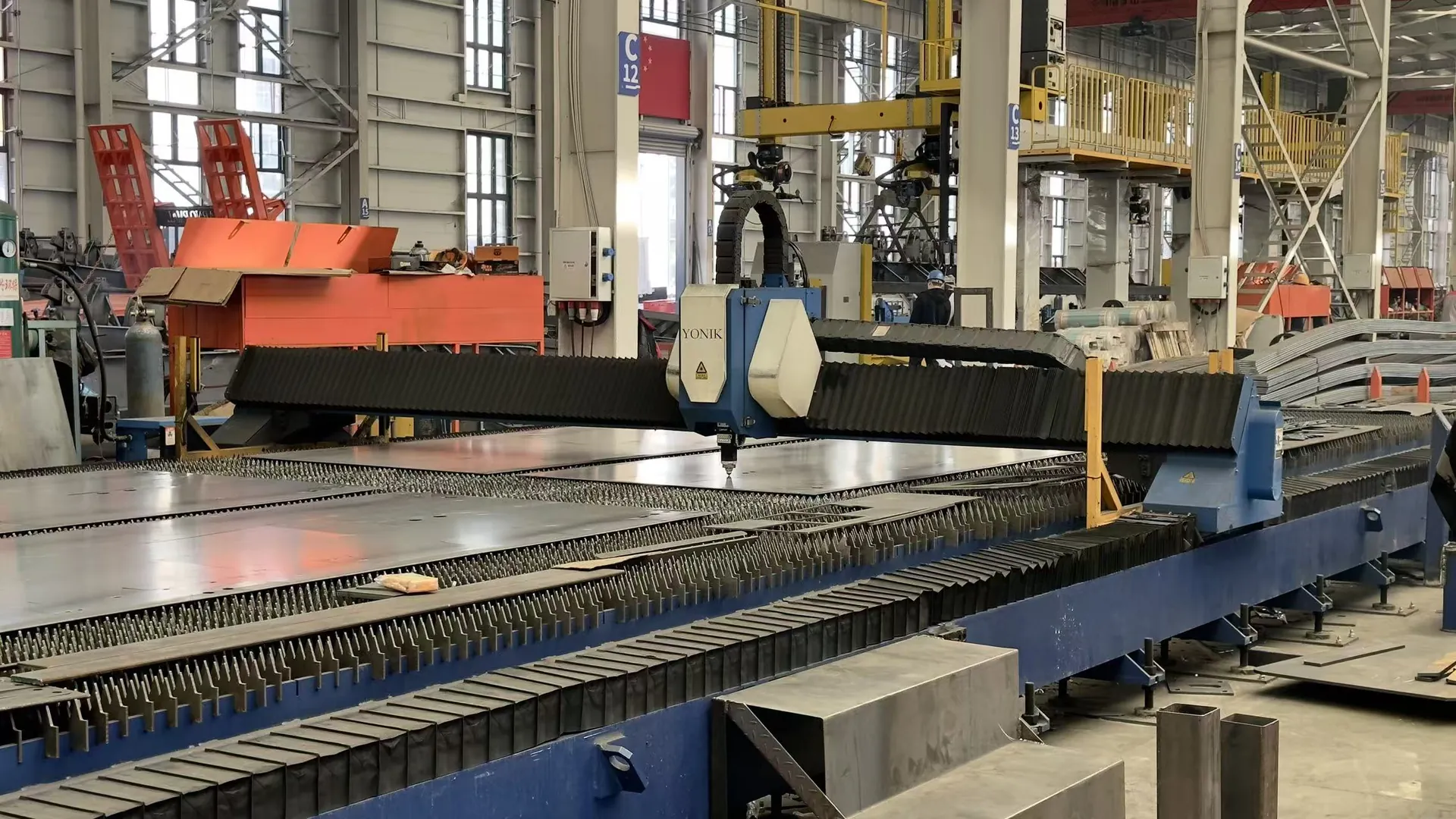
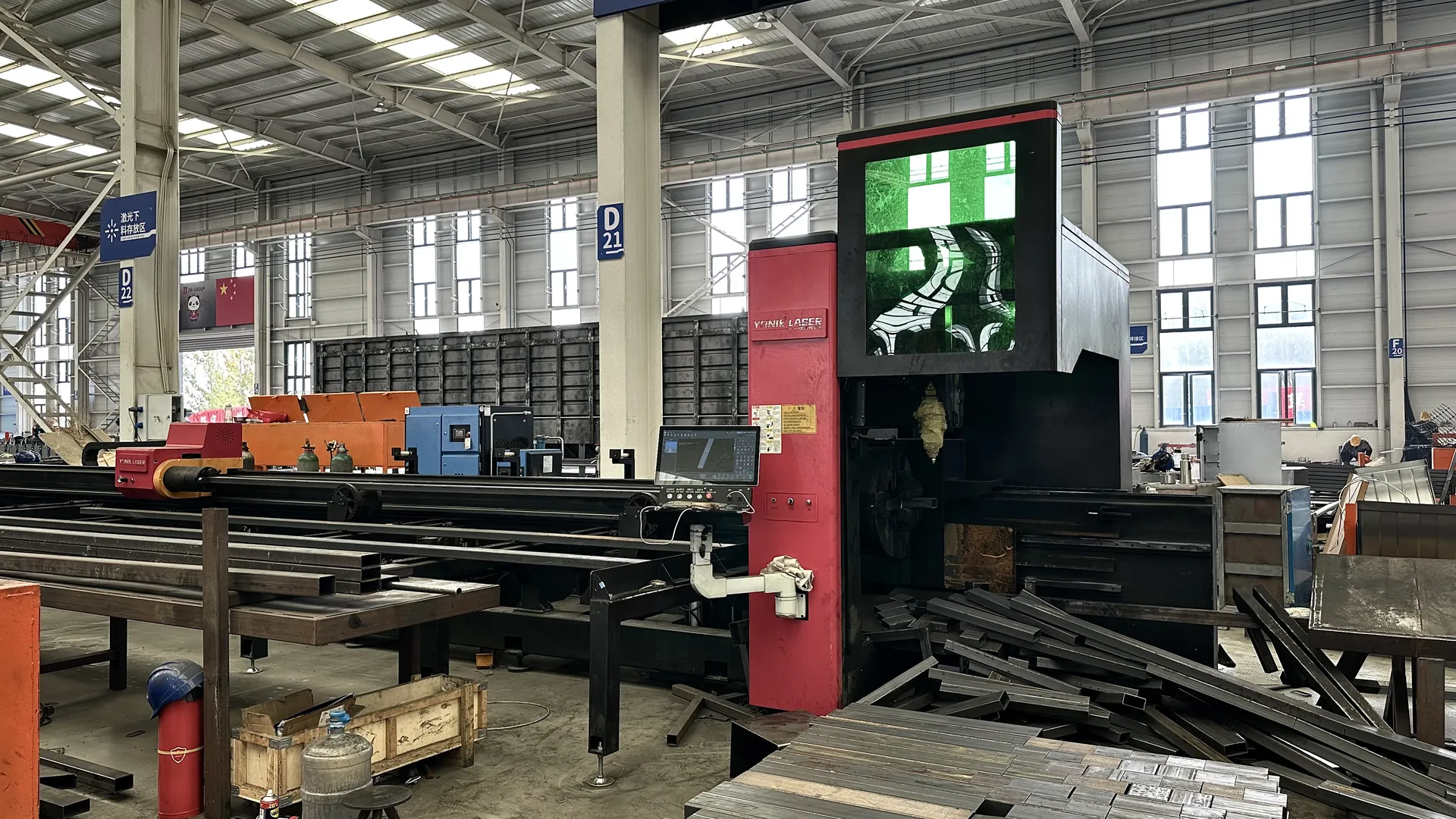
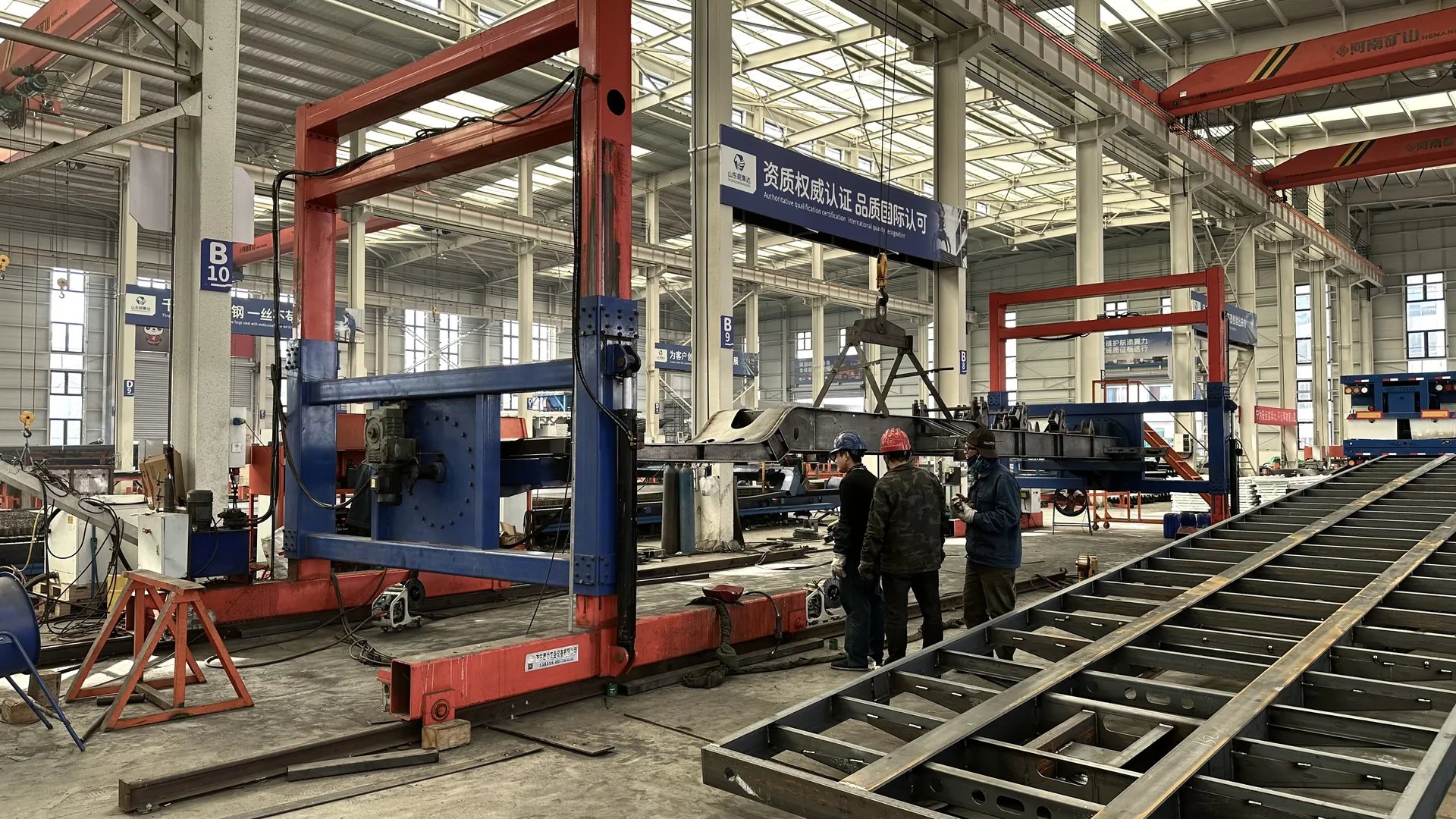
See the plate and tube cutting, robotic welding and frame assembly equipment used across our semi-trailer production workflow.